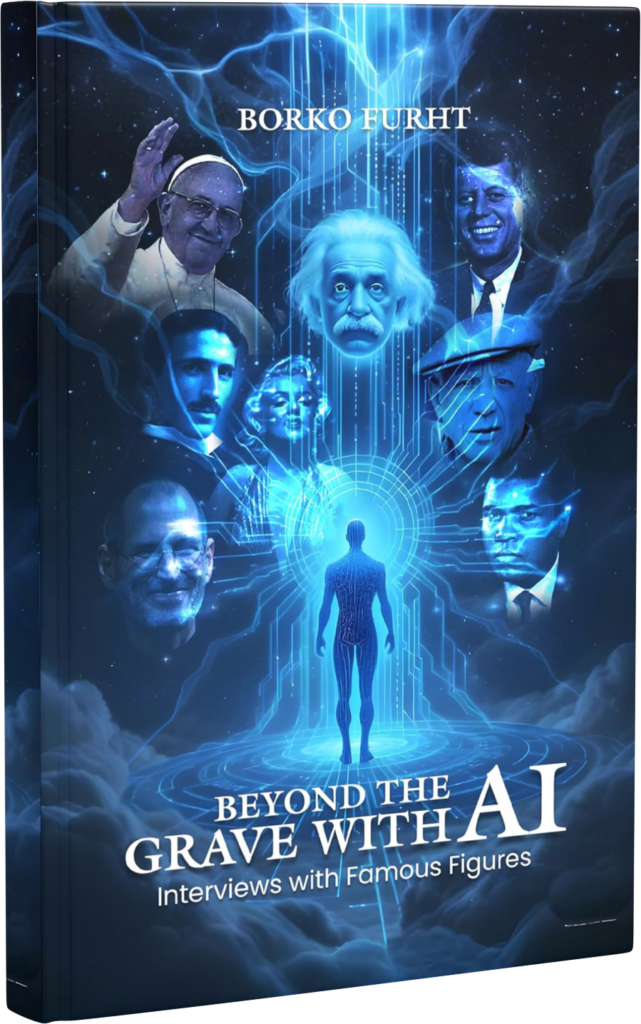
In the book Beyond the Grave with AI, author Borko Furht utilizes artificial intelligence to bridge the gap between history and the present. The text describes a series of imagined interviews with iconic figures ranging from Albert Einstein and Nikola Tesla to Marilyn Monroe and Steve Jobs. By blending computer science with humanistic reflection, the work explores how these visionaries might react to modern society if they could speak today. These simulated dialogues aim to offer profound insights into leadership, creativity, and the enduring human spirit. Ultimately, the source highlights a technological effort to transform historical legacy into a meaningful, interactive conversation about our shared existence.
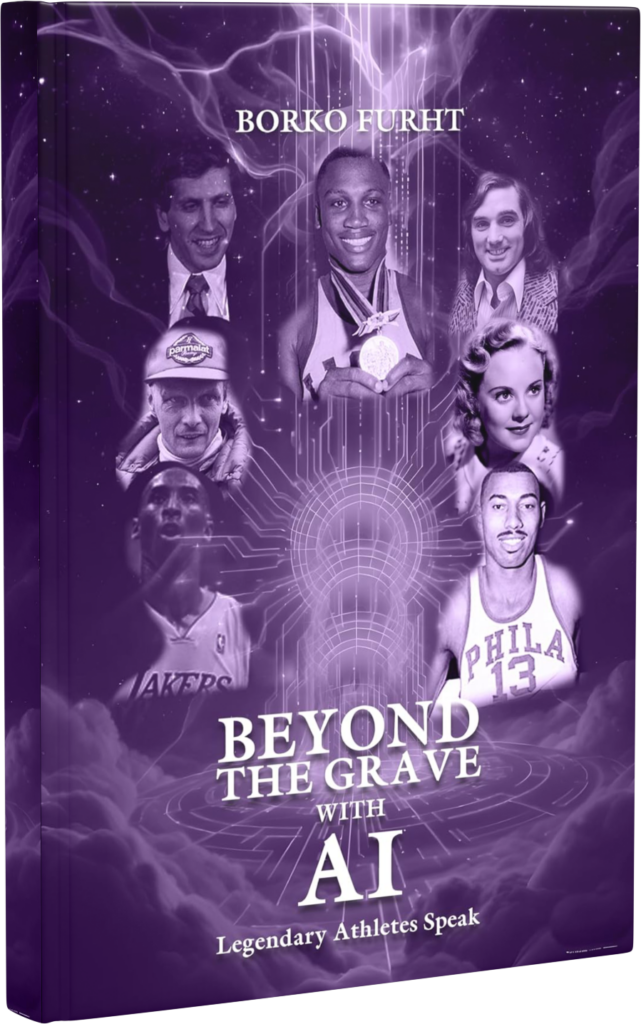
Borko Furht’s book utilizes artificial intelligence to construct simulated interviews with iconic sports figures who are no longer living. By synthesizing historical data, personal letters, and documented speeches, the text provides a reflective dialogue on the personal costs and societal impacts of athletic greatness. The collection spans various disciplines, featuring legendary figures like Pelé, Muhammad Ali, and Jackie Robinson to explore themes of sacrifice, identity, and resilience. Rather than focusing solely on statistics, the work aims to uncover the human experience behind legendary records and public personas. This approach transforms athletes into cultural mirrors, inviting readers to examine how these individuals shaped history far beyond the field of play. Ultimately, the sources describe a project that bridges the gap between historical archives and modern technology to offer a new perspective on sporting legacies.
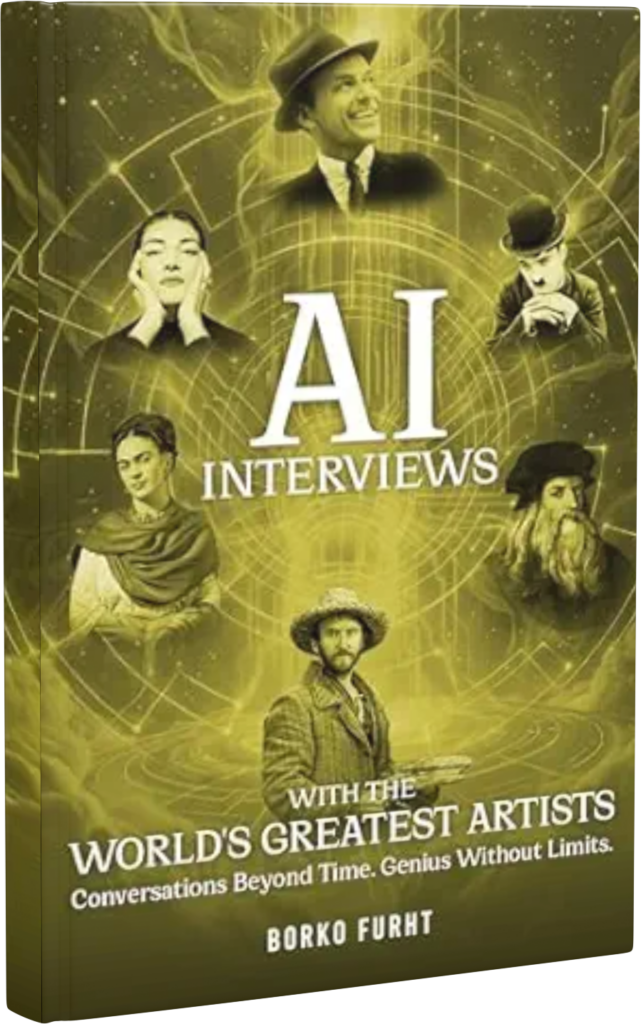
Borko Furht’s book explores the intersection of artificial intelligence and human creativity by reconstructing dialogues with history’s most influential figures. Through these simulated interviews, the author uses modern technology to engage with legendary painters, musicians, and writers such as Leonardo da Vinci and Virginia Woolf. The text is structured into thematic sections that examine the personal struggles, artistic philosophies, and enduring legacies of these cultural icons. By grounding these AI-driven conversations in historical records, the book aims to offer fresh perspectives on the nature of genius and ambition. Ultimately, the work serves as a tribute to the immortality of art, suggesting that new tools can help us better understand the human spirit.
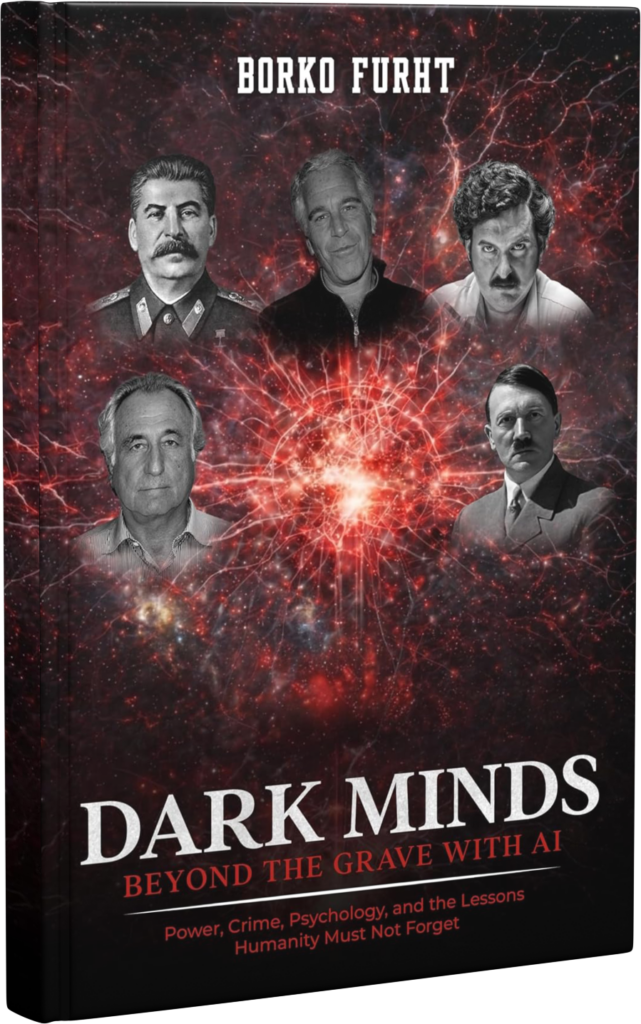
The book utilizes artificial intelligence and behavioral data science to analyze history’s most notorious figures, ranging from dictators and financial fraudsters to serial killers and cult leaders. Rather than offering a traditional biography, the author uses artificial intelligence and machine learning to construct simulated dialogues grounded in historical records, psychological profiles, and documented patterns of human behavior. This analytical approach aims to identify the hidden signals and recurring mechanisms that drive individuals toward destruction, deception, and the pursuit of absolute power. By exploring these dark trajectories through a technological lens, the work seeks to provide proactive insights that could help society recognize and prevent similar tragedies in the future. Ultimately, the text presents a systematic examination of human evil, framing it as a study of predictable patterns rather than isolated historical events.
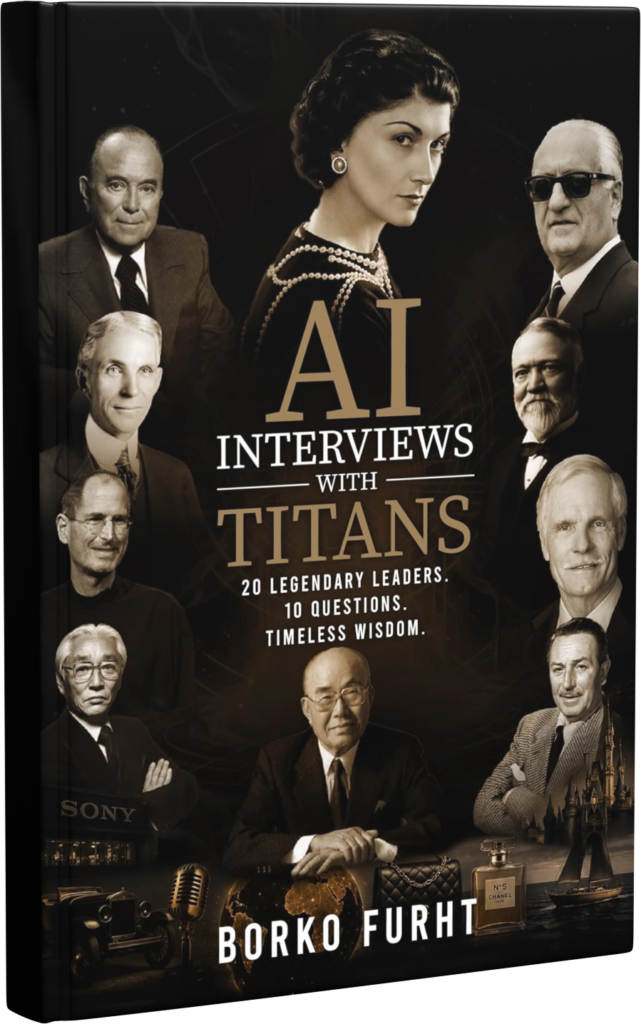
This book by Borko Furht utilizes artificial intelligence to construct simulated dialogues with some of history’s most prominent business icons. By analyzing vast amounts of historical data, including personal letters and public records, technology generates responses that reflect the philosophies and strategies of figures like Steve Jobs and John D. Rockefeller. The text is organized into sections covering industrial giants, banking masters, and global innovators to provide a comprehensive look at diverse industries. These AI-driven interviews aim to make history more interactive, allowing modern readers to explore timeless lessons on leadership, risk, and innovation. Ultimately, the collection serves as an educational tool designed to inspire current entrepreneurs by examining the mindsets that shaped the modern economic landscape.
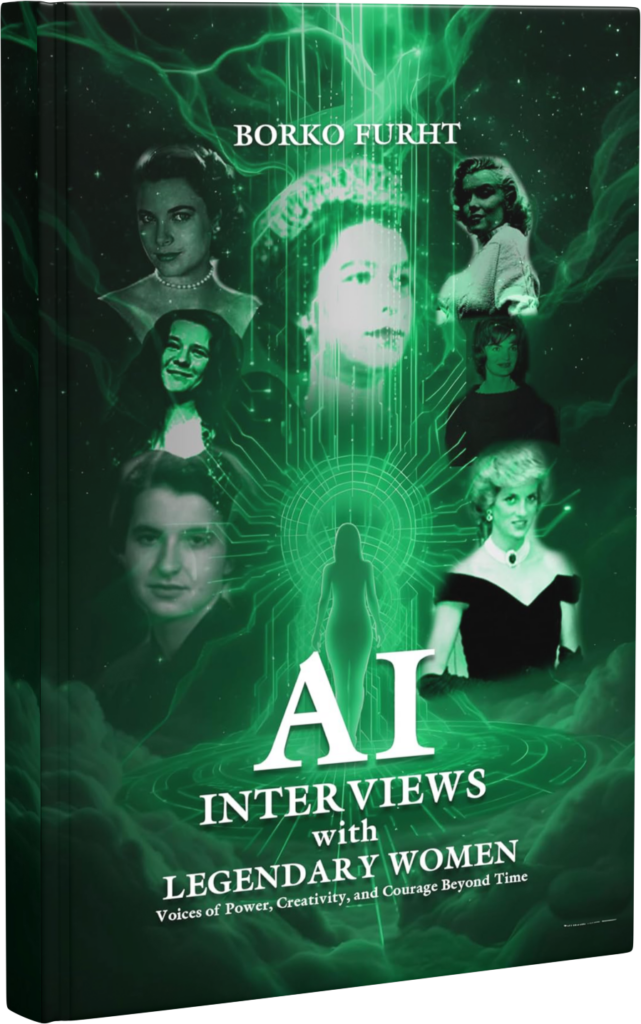
AI Interviews with Legendary Women, a book by Dr. Borko Furht, utilizes artificial intelligence to simulate dialogues with iconic historical figures. These reconstructed conversations feature diverse women, including Queen Elizabeth II, Marie Curie, and Frida Kahlo, categorized into leadership, science, art, and music. The project aims to explore the private thoughts and emotional complexities of these women by synthesizing their known biographies, letters, and speeches through technology. Dr. Furht emphasizes that these interviews are not factual resurrections but rather interpretive tools for empathy and historical reflection. By framing AI as a bridge to the past, the work encourages readers to reconsider the humanity behind legendary status and the enduring relevance of their struggles. Ultimately, the text serves as a promotional overview and ethical framework for using modern technology to re-engage with cultural legacy.
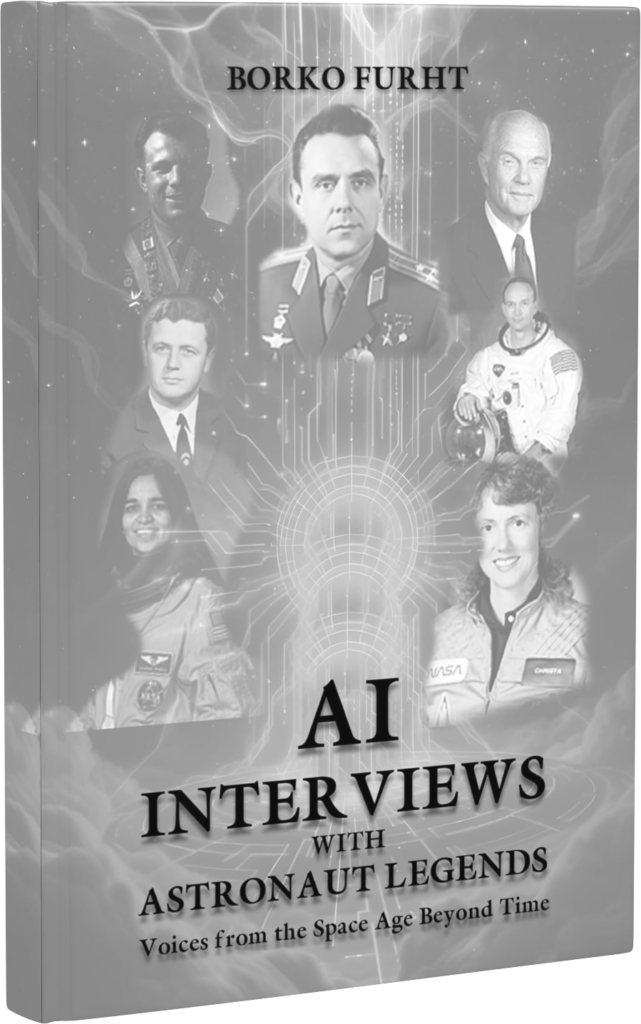
Borko Furht’s book utilizes artificial intelligence to reconstruct interviews with legendary astronauts and cosmonauts from the dawn of the Space Age. These imagined dialogues are synthesized from historical records and personal memoirs to capture the perspectives of pioneers like Yuri Gagarin and Neil Armstrong. The text highlights the extraordinary risks and triumphs associated with missions ranging from the first orbital flights to the lunar landings and the Space Shuttle era. Beyond technical achievements, the work reflects on the philosophical and emotional impact of seeing Earth from the cosmos. Ultimately, the source serves as a tribute to human curiosity and the enduring legacy of those who expanded the boundaries of our species.
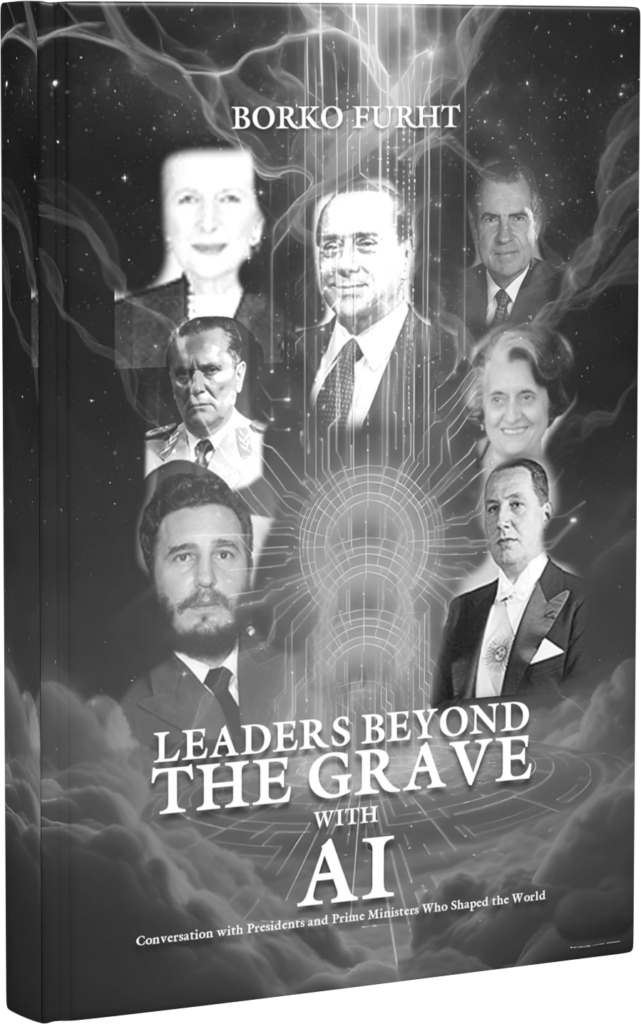
In his book, Dr. Borko Furht utilizes artificial intelligence to construct simulated interviews with twenty of history’s most influential and controversial world leaders. This work synthesizes historical records, speeches, and biographies to imagine how figures ranging from George Washington to Mao Zedong might reflect on their legacies from a post-mortem perspective. By removing the pressures of active politics, these fictionalized dialogues explore the personal costs of authority and the complex moral dilemmas inherent in global leadership. The author maintains a strict ethical framework, ensuring the narratives remain grounded in scholarship rather than attempting to rewrite factual history. Ultimately, the text serves as a reflective tool for readers to examine the human dimensions of power and how historical memory evolves over time.